The root canal you have been dreading takes one appointment.
The pain people associate with root canals is the pain of the infection that made one necessary. Under magnification and modern anaesthesia, the treatment itself is the moment that pain stops — usually within the first ninety seconds.
We treat under a surgical operating microscope. Calcified canals, hidden MB2 anatomy and hairline fractures that are invisible to the naked eye are located and cleaned properly — which is the single largest determinant of whether a treated tooth survives a decade.
Rotary nickel-titanium instrumentation combined with ultrasonic irrigation disinfects the canal system in a fraction of the time hand-filing required, which is why one appointment now replaces the three or four visits your parents endured.
A rubber dam isolates the tooth completely. No irrigant, no debris and no bacteria from saliva reach the treatment field at any point.
Your own tooth, kept
No implant, however good, is superior to a natural tooth retained in a healthy socket. Endodontics buys you decades.
Immediate relief
Pulpal pressure is released at the start of the procedure. Patients who arrive unable to sleep routinely leave comfortable.
No grey tooth afterwards
Bioceramic sealers and internal bleaching protocols prevent the dull discolouration older techniques left on front teeth.
Four steps, no surprises
The same protocol applies to every treatment in the clinic — including this one.
Digital Smile Scan
Comprehensive 3D intraoral mapping to analyze your exact facial symmetry.
Custom Care Plan
Transparent treatment architecture detailing accurate milestones, timelines, and 0% EMI options.
Painless Precision Therapy
Execution using specialized micro-lasers and advanced local anesthesia for zero discomfort.
Post-Care Guarantee
Lifelong maintenance framework and direct 24/7 access to your doctor for complete peace of mind.
A real result, start to finish
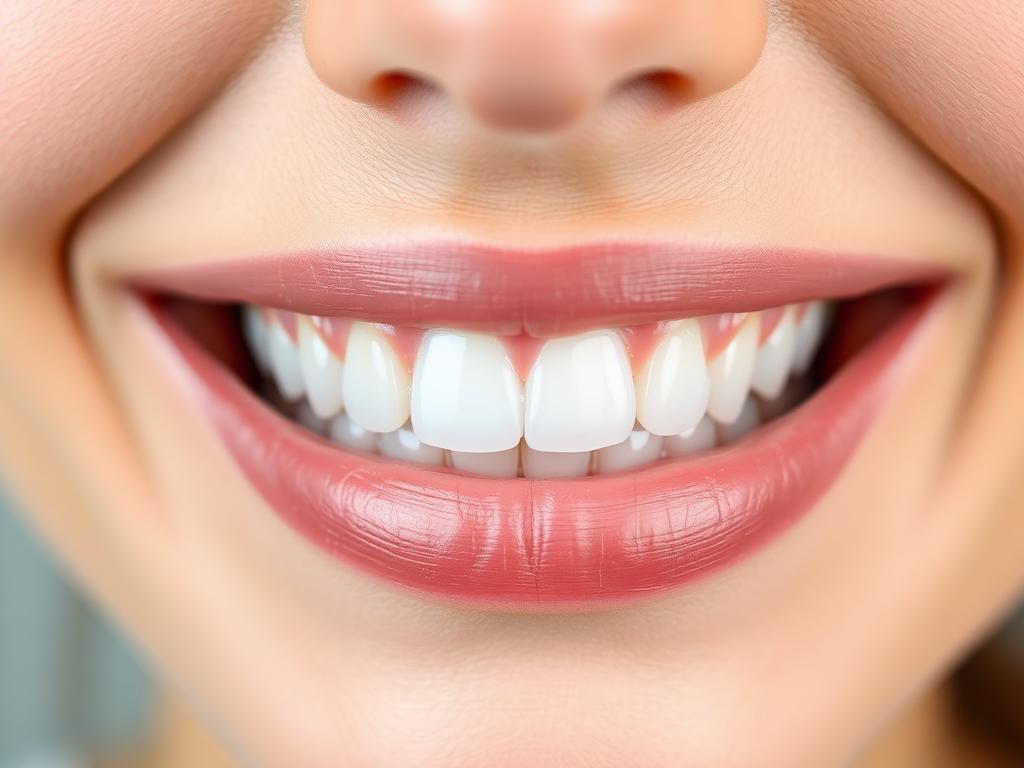
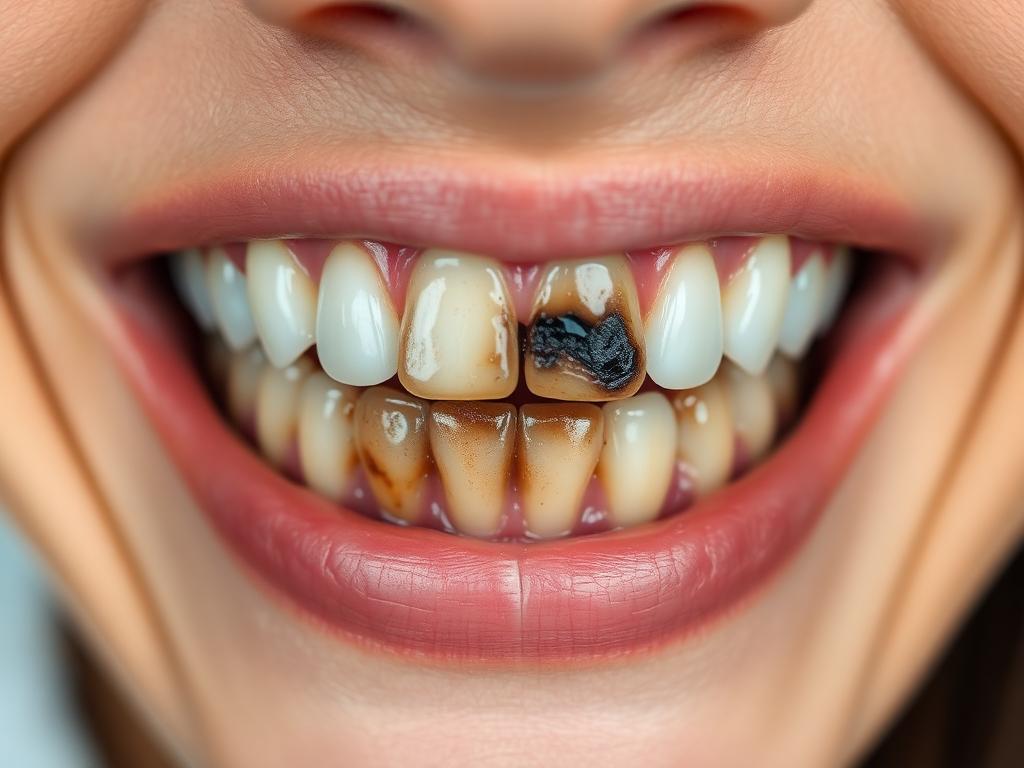
Acute irreversible pulpitis of the upper left central incisor following untreated deep caries. Patient presented at 9pm on the emergency line after four sleepless nights.
Problem · Night 1 — Emergency triage
Advanced decay with visible grey shadowing
Caries had breached the pulp chamber and necrosis had begun, producing a darkening crown and a periapical radiolucency on radiograph. Extraction had been recommended elsewhere.
Strategy · Day 2 — 80-minute treatment
Single-sitting endodontics and internal bleaching
The canal was cleaned, shaped and obturated with bioceramic sealer in one 80-minute appointment under the microscope. Internal non-vital bleaching was then used across two short visits to reverse the grey discolouration before restoration.
Outcome · Day 10 — Crown bonded
Tooth saved, shade fully matched
A monolithic e.max crown was bonded on day ten, colour-mapped against the adjacent central incisor under three lighting conditions. Two-year radiographic review shows complete periapical healing.
3
Appointments
1 / 10
Pain score after
Yes
Tooth retained
Undetectable
Shade match
Two other clinics told me the tooth had to come out. It is still in my mouth two years later and I cannot tell which one it was.
What patients ask before booking
The procedure is performed under profound local anaesthesia and is comparable to having a filling placed. Mild tenderness on biting for two to three days afterwards is normal and responds to routine analgesia.
For molars and premolars, yes — a treated tooth is structurally weakened and will fracture without cuspal coverage. Skipping the crown is the most common reason root canals fail years later.
In the great majority of cases, including most molars. Teeth with active pus drainage or severe periapical infection may require an intermediate dressing appointment for a safer long-term result.
More in Restorative
Dental Implants
Titanium roots placed through a 3D-printed guide. Full bite force, no palate, no filing healthy teeth.
Crowns & Bridges
Milled zirconia restorations shade-matched to the tooth beside them, not to a catalogue.
Dentures
Precision-fit removable and implant-retained dentures that stay put through a full meal.